

Understanding the psychology behind gambling behavior in casinos
The Allure of Gambling: A Psychological Perspective
Gambling has long captivated individuals, drawing them into a world of chance and opportunity. At its core, the appeal of gambling can be attributed to the psychological rewards it offers. The thrill of potentially winning large sums of money triggers the brain’s reward system, releasing dopamine, a neurotransmitter that reinforces pleasurable experiences. This chemical response creates a cycle that keeps players returning, chasing that euphoric feeling tied to winning. Additionally, players often search for the best platforms, such as pokies casino australia, to increase their chances of success.
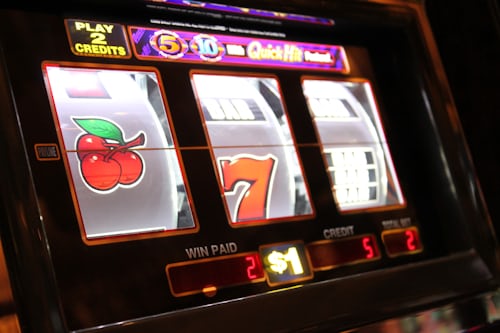
Furthermore, the environment of casinos is designed to enhance this allure. Bright lights, loud sounds, and vibrant colors create an atmosphere that heightens excitement and draws attention to the games. This sensory overload not only keeps players engaged but also conditions them to associate gambling with fun and socialization, solidifying the habit over time. With each visit, the desire to experience these sensations can become a driving force in an individual’s gambling behavior.
Additionally, the concept of “near misses” plays a significant role in gambling psychology. When players come close to winning, such as hitting a series of symbols that almost line up, they may feel a false sense of hope. This encourages them to continue playing, believing that a win is just around the corner. The combination of these psychological factors creates a powerful urge to gamble, making it difficult for individuals to resist the temptation, even when the odds are not in their favor.
The Impact of Cognitive Biases on Gambling Decisions
Cognitive biases significantly influence how players perceive their chances of winning and decision-making in gambling environments. One common bias is the illusion of control, where individuals believe they can influence the outcome of a game based on their actions or skills. For example, players might think that using specific strategies or techniques can improve their chances, even in games of pure chance, like slot machines. This misconception can lead to increased betting and ultimately greater losses.
Another prevalent cognitive bias is the gambler’s fallacy, where individuals mistakenly believe that past outcomes will affect future results. For instance, if a player sees a particular number has not come up in a while during a game of roulette, they may assume it’s due for a win. This belief can lead to irrational betting patterns and a misunderstanding of randomness, fostering a cycle of loss and hope that keeps players engaged longer than intended.
Moreover, emotional factors play a pivotal role in gambling behavior. Stress, anxiety, or a desire for escapism can drive individuals to gamble as a way to cope with negative emotions. This emotional response can cloud judgment and lead to impulsive decisions, making it challenging for players to recognize when they should stop. Understanding these cognitive biases is crucial for both players and those involved in responsible gambling initiatives, highlighting the need for awareness and education.
The Role of Social Influences in Gambling Behavior
The social aspect of gambling significantly influences behavior and decision-making. Many individuals view casinos as social venues where they can interact with friends and meet new people. This communal aspect fosters a sense of belonging, encouraging individuals to engage in gambling activities to bond with others. The shared experience can amplify excitement, leading to increased betting and more prolonged gaming sessions.
Peer pressure can also play a critical role in gambling behavior. Individuals may feel compelled to gamble when surrounded by friends who are enthusiastic about it. This dynamic can lead to a willingness to take risks and bet larger amounts than one might typically consider alone. Furthermore, the normalization of gambling within certain social circles can diminish awareness of its potential negative consequences, leading to a culture where excessive gambling is not only tolerated but encouraged.
Additionally, advertising and media portrayals of gambling contribute to social influences. The glamorization of casinos and the thrill of winning often overshadow the risks associated with gambling. This representation can create unrealistic expectations, encouraging individuals to believe they can replicate the success seen in movies or advertisements. As a result, the interplay of social influences can create an environment where gambling becomes a prominent aspect of social life, further entrenching the behavior.
The Consequences of Gambling: Understanding Risks and Rewards
While the excitement of gambling can be enticing, it’s essential to recognize the potential consequences that can arise. Many individuals may initially view gambling as a fun activity, but it can lead to financial strain and emotional distress if not approached responsibly. The thrill of winning can quickly be overshadowed by the reality of losses, resulting in anxiety, guilt, and shame. These feelings can exacerbate the urge to gamble, creating a cycle that is difficult to break.
Moreover, problematic gambling can strain relationships and social connections. As individuals become more engrossed in gambling, they may neglect personal relationships and responsibilities, leading to isolation and conflict. This aspect highlights the need for awareness regarding gambling behavior, especially for individuals who may be vulnerable to its effects. Understanding these consequences can help individuals make informed decisions and seek help if necessary.
The understanding of risks associated with gambling extends to the broader societal impact as well. Communities may bear the burden of supporting individuals struggling with gambling addiction, as these problems can lead to increased crime rates and social services demand. By fostering awareness around gambling behavior and its consequences, societies can better equip individuals to make informed choices, promoting healthier gambling habits and reducing the risks associated with this activity.

Your Trusted Resource for Gambling Information and Support
Understanding the psychology behind gambling behavior is crucial for players looking to engage responsibly. Our website serves as a comprehensive resource for individuals seeking information about gambling, including its psychological aspects, the impact of cognitive biases, and social influences. We aim to educate players about the risks and rewards of gambling, empowering them to make informed choices that align with their values and lifestyles.
We also provide insights into responsible gambling practices, offering tips and strategies to maintain a healthy balance. Our goal is to create a supportive environment where individuals can learn about the intricacies of gambling without falling prey to its potential pitfalls. Through articles, guides, and expert advice, we hope to foster a community that prioritizes safety and informed decision-making.
Ultimately, by addressing the psychology behind gambling behavior, we can help players navigate the complexities of this activity with awareness and intention. Join us as we explore the world of gambling, promoting education and responsible practices to enhance your gaming experience while safeguarding your well-being.